
 PDF Download
 PubReader
 Export Citation
 Email the Author
 Share Facebook
 Share Twitter
 Metrics (View:524)





Introduction
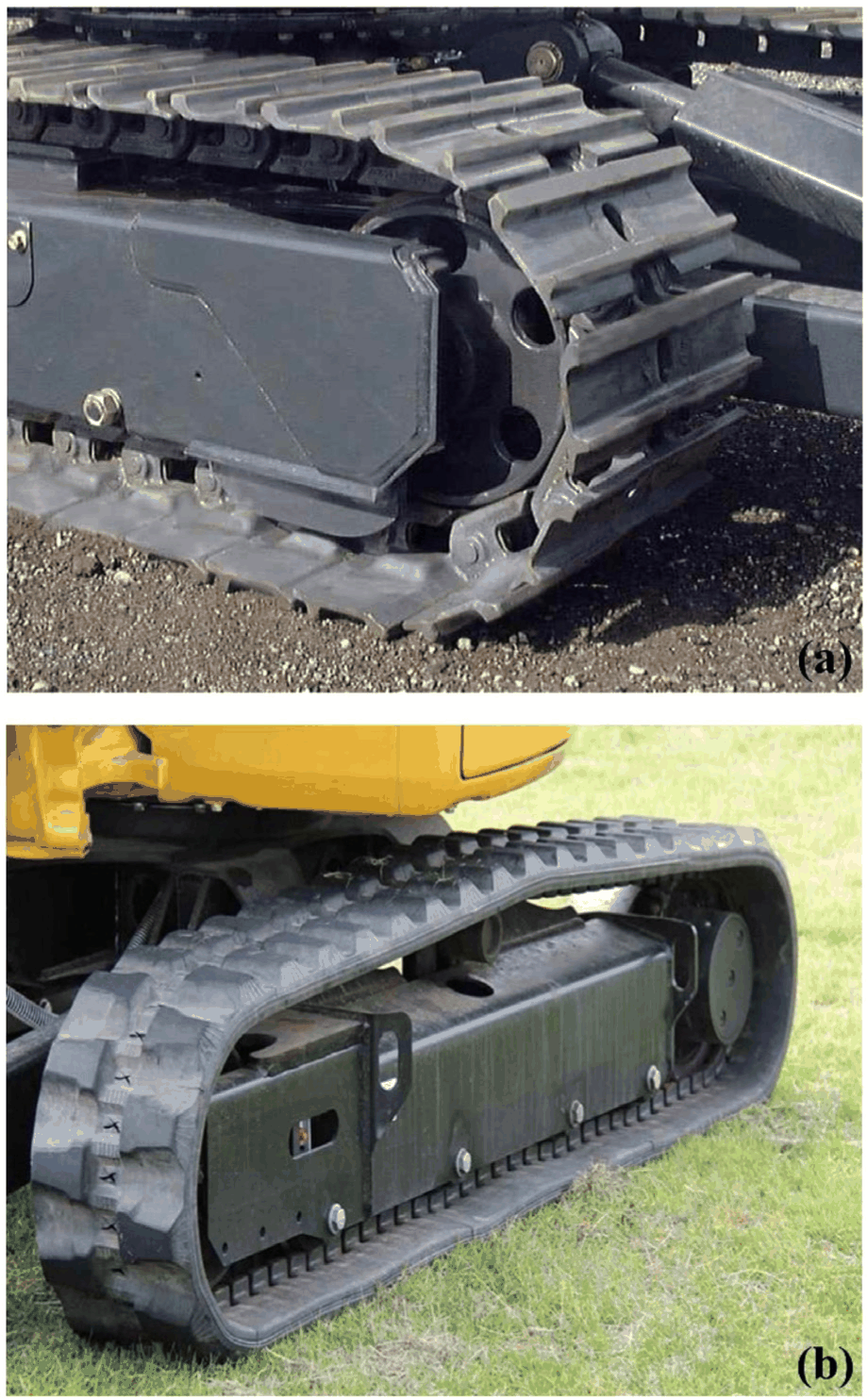
Rubber tracks are essential components for driving and braking heavy machinery in harsh environments and off-road such as construction sites, providing reduced noise, better road surface, and superior operability on soft ground compared with steel tracks. The images and characteristics of steel tracks and rubber tracks are presented in Figure 1 and Table 1. Recently, With the upsizing of heavy machinery and the expanding adoption of electrified excavators and tractors, added battery weight has substantially increased operating loads; accordingly, rubber track compounds require even higher abrasion resistance and mechanical performance.1,2
At the same time the global rubber industry is facing both the demand from the demand industry to secure sustainability and global regulations, and research on applying sustainable raw materials is actively underway to address these issues.3,4,5,6
Especially, Recycled carbon black (rCB), recovered from end-of-life tires via pyrolysis, has attracted attention as an eco-friendly reinforcing filler due to its circular-resource advantage.7,8,9 However, compared with conventional carbon black, rCB contains higher residual impurities and more irregular surface features, which lead to poorer dispersion, weakened filler-rubber (F-R) interaction, and reductions in mechanical strength.10,11,12 Therefore, rCB is not yet a viable full substitute for conventional carbon black, and current efforts focus on partial replacement strategies.13 In particular, for rubber track applications that demand high loads and durability, these poor performance are amplified, restricting the direct use of rCB.
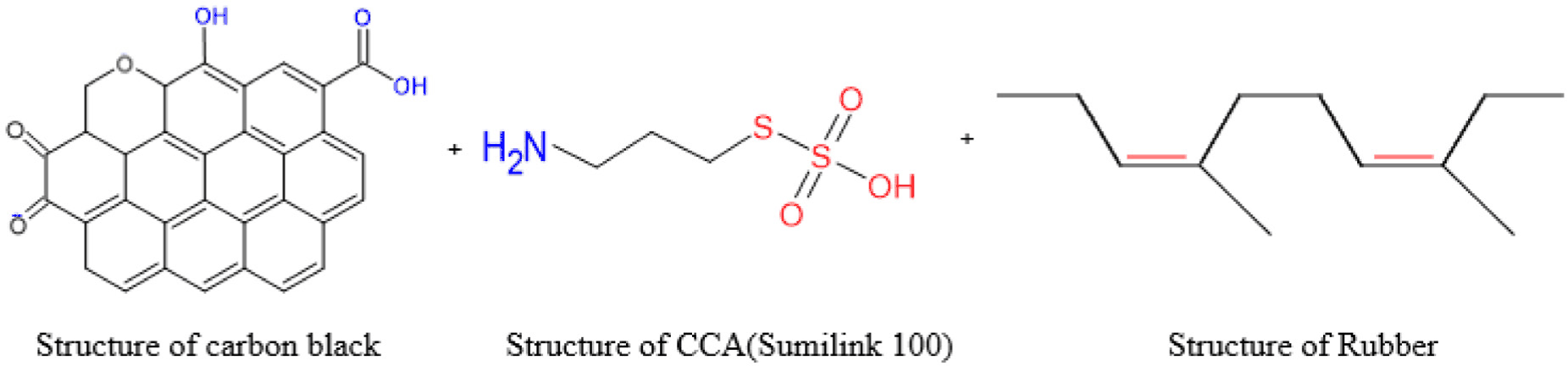
From a compounding perspective, studies have explored the use of carbon black coupling agents (CCA) that promote chemical bonding between rubber chains and the carbon black surface to improve interfacial adhesion and dispersion. CCA has bifunctional terminal groups that react with oxygen-containing functional groups on the rCB/CB surfaces (e.g., carboxyl, phenolic, and carbonyl/ketone groups) while simultaneously interacting with the carbon-carbon double bonds of the rubber chains, thereby enhancing the F-R interaction.14,15 SUMILINK®100 (Figure 2), used in this study, is a CCA that has amine (-NH2) and sulfonic acid (-SO3H) terminal groups; The amine group interacts with phenolic hydroxyl (-OH) and carboxyl (-COOH) groups on the carbon black surface through hydrogen bonding, covalent bonding, and acid-base neutralization, whereas the sulfonic acid group reacts with the C=C bonds of the rubber chains to form crosslinks. As a consequence of this mechanism, the strengthened F-R interactions lead to improved filler dispersion and enhanced mechanical properties in carbon black filled rubber compounds. In this study, a portion of conventional carbon black was replaced with rCB in NR/ SBR blended rubber-track compounds and the effects of rCB loading and the introduction of a CCA on dispersion behavior, F-R interaction, abrasion resistance, and mechanical properties were evaluated. These results demonstrate the feasibility of a sustainable compound suitable for high-load, high-durability rubber-track applications.
Experimental
Natural rubber (NR) was used Standard Vietnamese Rubber (SVR-3L). Emulsion Styrene-butadiene rubber (ESBR) was used SBR 1502 (23.5% styrene; Kumho Petrochemical Co., Ltd.). Conventional carbon black was used N330 (BET surface area 74.1 m2/g, Ash contents 0.22%, OCI Co., Ltd.) and the rCB was GCB 774G (BET surface area 62.4 m2/g, Ash contents 17.82%, LD Carbon). CCA was used SUMILINK® 100 (Sumitomo Chemical Co., Ltd.). The processing oil was A-2 oil, and the processing aids were resin and wax.
Zinc oxide and stearic acid were used as vulcanization activators. Antioxidants were 2,2,4-trimethyl-1,2-dihydroquinoline (TMQ) and N-(1,3-dimethylbutyl)-N′-phenyl-p-phenylenediamine (6PPD). Sulfur was used as a vulcanizing agent. The accelerators were N-tert-butyl-2-benzothiazole sulfenamide (TBBS) and N,N′-1,3-phenylene dimaleimide (PDM). Solvents for the bound rubber and crosslink density experiments were toluene (≥99.80%, Samchun Chmeical co., Ltd.), tetrahydrofuran (THF, ≥99.5%, Samchun Chmeical co., Ltd.), n-Hexane (≥96.0%, Samchun Chmeical co., Ltd.), and Acetone (≥99.5%, Samchun Chmeical co., Ltd.).
The rubber compounds were prepared using a 300 cc internal mixer (Brabender, GmbH & Co. KG) according to the formulation presented in Table 2. The mixing start temperature was set to 110°C, and the dump temperature was controlled at 140-150°C. Fill factor was 0.7, and the mixing time was 7 min 40 s. Subsequently, the carbon masterbatch (CMB) was compounded on an 8-inch two-roll mill with the vulcanizing agent sulfur and the accelerators TBBS and PDM at 50°C for 5 min to produce the final masterbatch (FMB), which was then sheeted. The mixing procedure for the compounds is shown in Table 3.
To comparatively evaluate the F-R interaction between carbon black and rubber, the bound rubber content was measured. For the measurement, 0.2 g of the CMB was wrapped in tissue and placed in a vial containing 100 mL of toluene. The sample was kept for 3 days, after which the toluene was replaced once, and the sample was kept for an additional 3 days. The solvent was then changed to acetone to remove residual toluene, and the sample was left for 24 hours. Afterward, the sample was dried in an oven at 105°C for 24 hours and subsequently weighed. The measured weight was substituted into Equation (1) to calculate the bound rubber content.
RB: bound rubber content (%)
Wfg: the weight of the filler and gel
Wt: the weight of the sample before immersion
mf: the weight fraction of the filler in the compound
mr: the weight fraction of rubber in the compound
The cure characteristics of the CB/rCB filled compounds were evaluated using FMB specimens with a moving die rheometer (MDR, Nichigo Shoji Co., Ltd.) at a vibration angle of ±1°, 155°C, for 20 minutes. Torque and the optimum cure time (t90) were determined from the rheometer curves. For specimen preparation, vulcanization was carried out at 155°C using a hydraulic hot press, applying 1.2 times the measured optimum cure time.
Mooney viscosity, an indicator used to evaluate the processability of rubber compounds, was measured using a Mooney viscometer (DMV-200C, Daekyung Engineering Co., Ltd.), a type of rotational viscometer. The measurement was conducted in accordance with ASTM D1646. The specimen was preheated at 100°C for 1 minute and then rotated at 2 rpm for 4 minutes to obtain the Mooney viscosity value (ML1+4@100°C).
The vulcanized specimens were cut into approximately 10 mm × 10 mm pieces and placed in vials containing 50 mL of THF for 24 hours. The specimens were then transferred to vials containing 50 mL of n-hexane and stored for an additional 24 hours to remove residual organics. Afterward, the specimens were dried at 40°C for 24 hours, and the dry weight was recorded. The dried specimens were subsequently immersed in toluene and allowed to swell for 24 hours, after which the swollen weight was measured. The crosslink density was calculated by substituting the measured mass values into the Flory-Rehner equation (Equation 2)
ν: Crosslink density (mol/g)
c: Average molecular weight between crosslink points (g/mol)
V1: The volume fraction of rubber in the swollen gel at equilibrium
V0: The molar volume of solvent (cm /mol)
ρr: The density of the rubber sample (g/cm3)
χ: The polymer-solvent interaction parameter (0.34)
For the measurement of mechanical properties, test specimens were prepared in accordance with KS M 6518. Tensile and tear tests were performed using a universal testing machine (UTM, DUT-500CM, Daekyung Engineering Co., Ltd.). The crosshead speed was set to 500 mm/min for the tensile test and 50 mm/min for the tear test. To evaluate thermal aging properties, the specimens were aged in an oven at 105°C for 24 hours, cooled at room temperature for 1 hour, and then tested under the same conditions.
Abrasion resistance was evaluated in accordance with ASTM D5963 using a DIN abrasion tester (WL210D, WITHLAB Co., Ltd.). Test specimens were prepared in a cylindrical shape with a diameter of 16 mm and a thickness of 8 mm. The specimens were pressed against a rotating drum covered with abrasive paper under a vertical load of 10 N and abraded over a distance of 40 m. The amount of abrasion was calculated by measuring the weight difference of the specimens before and after the test.
The filler dispersion of the compound was evaluated in accordance with KS M ISO 11345 using a dispersion analyzer (DISPERGADER alphaview, Alpha Technologies). Surface images of the specimens were captured and compared with reference images, and the dispersion grade was determined based on the x-value.
The glass transition temperature (Tg) and dynamic viscoelastic properties of the compounds were evaluated using a rheometer (ARES-G2, TA Instruments). The temperature sweep conditions were performed in torsion mode from -60°C to 80°C at a heating rate of 5°C/min, with a frequency of 2 Hz and a strain of 0.5%. From this test, Tg and tan δ at 70°C were determined. The strain sweep conditions were conducted in torsion mode at 70°C, over a strain range of 0.5-16% at a frequency of 2 Hz, and tan δ at 70°C was measured at 5% strain.
Results and Discussion
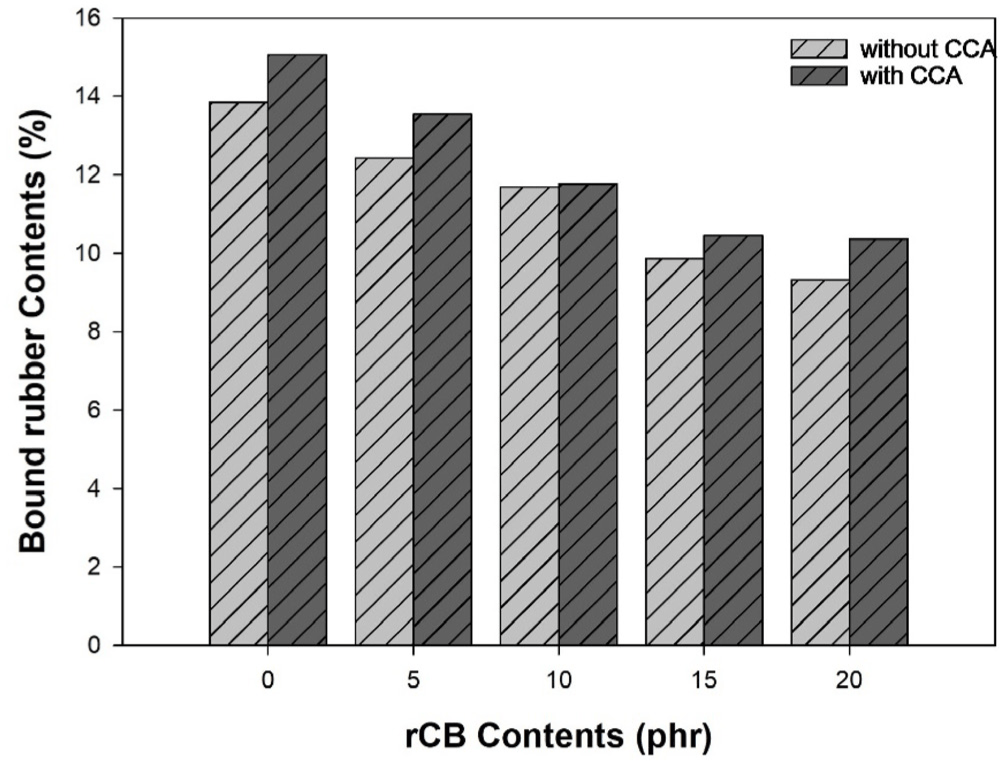
Figure 3, and Table 4 show the Mooney viscosity and bound rubber content measurement results. According to Mooney viscosity measurements, Mooney viscosity tended to increase gradually with increasing rCB content. This result is attributed to the poor dispersibility of rCB particles, which have a non-uniform particle morphology distribution and contain more impurities and higher ash content compared to conventional carbon black.16 As a result, the flowability of the rubber matrix is restricted.17 Additionally, the compound containing CCA showed a slight increase in Mooney viscosity. This can be attributed to the enhanced F-R interaction induced by CCA, which restricts the mobility of rubber chains within the matrix.
| Compound | T-1 | T-2 | T-3 | T-4 | T-5 | T-6 | T-7 | T-8 | T-9 | T-10 |
|---|---|---|---|---|---|---|---|---|---|---|
| Mooney viscosity (MU) | 50.3 | 52.9 | 53.7 | 54.7 | 55.7 | 56.1 | 55.6 | 55.9 | 56.9 | 57.4 |
| Bound rubber contents (%) | 13.8 | 12.4 | 11.7 | 9.9 | 9.3 | 15.1 | 13.6 | 11.8 | 10.5 | 10.4 |
Bound rubber content show to decrease as the rCB loading increased. This is attributed to the lower specific surface area of rCB compared to that of conventional carbon black (N330), resulting in a reduced number of active sites available for adsorption and bonding with rubber chains, and consequently, a weaker F-R interaction. In contrast, the compound containing CCA exhibited an increased bound rubber content. This result suggests that CCA enhances the interaction between carbon black and rubber chains, thereby strengthening the F-R interaction and promoting the formation of bound rubber.
The results of the cure characteristics are presented in Figure 4 and Table 5. As the rCB content increased, both scorch time (t10) and optimum cure time (t90) showed a tendency to increase. This behavior is attributed to the difference in surface chemistry between N330 CB and rCB. Conventional carbon black possesses oxygen-containing functional groups, such as hydroxyl and carboxyl groups, on its surface, which promote interaction with the rubber matrix.
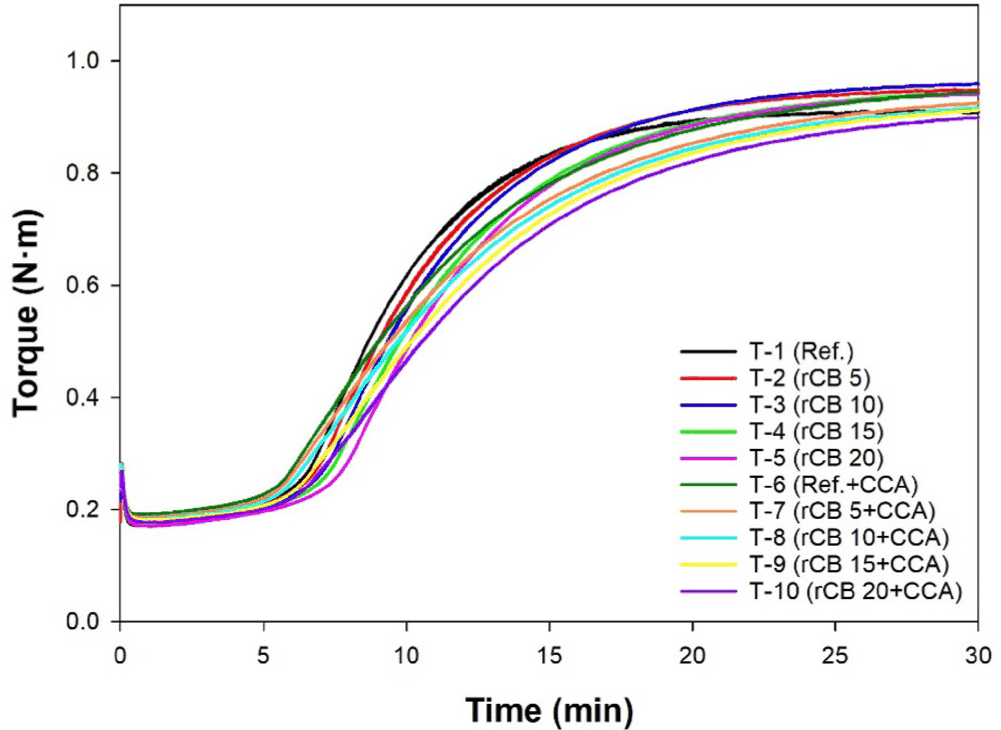
In contrast, rCB undergoes thermal degradation during the pyrolysis process, resulting in the loss or reduction of these functional groups. As a result, the filler is more difficult to disperse uniformly within the rubber, which interferes with the crosslinking reaction and leads to delayed t10 and t90.18 In contrast, compounds containing CCA exhibited a decrease in t10, which is interpreted as the result of the amine functional groups in the CCA acting in a manner like vulcanization accelerators, thereby promoting the onset of vulcanization.14
Meanwhile, when comparing the torque values of compounds containing CCA, it was observed that both the maximum torque (Tmax) and ΔTorque (Tmax−Tmin) decreased with increasing rCB content. This result is attributed to the reduction in crosslink density.
The results of crosslink density measurements are presented in Figure 5 and Table 6. Overall, the crosslink density tended to decrease as the rCB content increased. This result is attributed to the lower specific surface area of rCB compared to that of N330, F-R interaction and subsequently has a negative impact on crosslink formation between rubber chains.
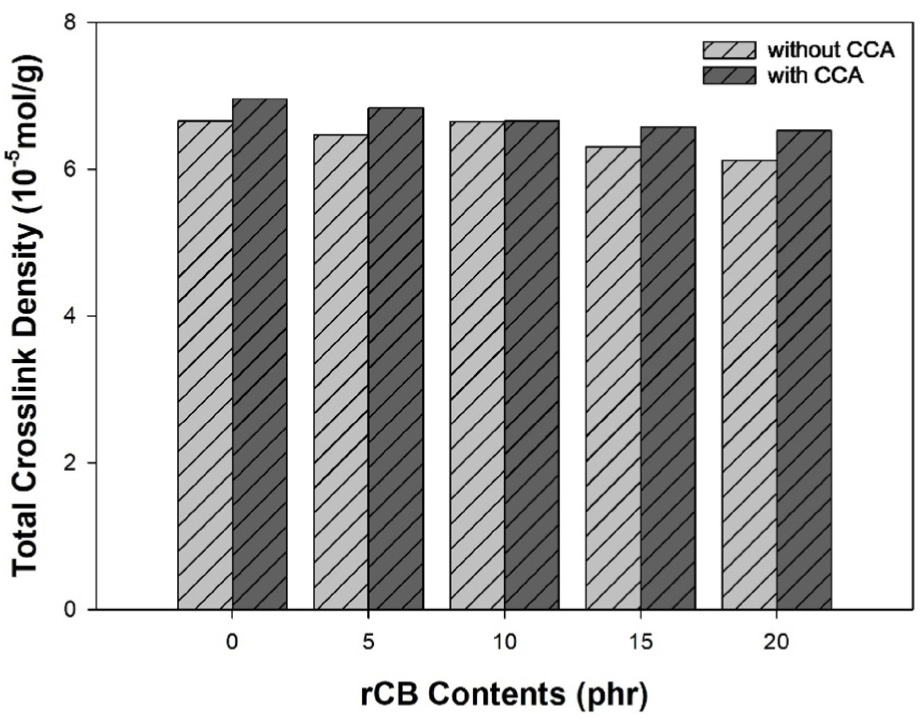
| Compound | T-1 | T-2 | T-3 | T-4 | T-5 | T-6 | T-7 | T-8 | T-9 | T-10 |
|---|---|---|---|---|---|---|---|---|---|---|
| Crosslink density (10-5 mol/g) | 6.66 | 6.47 | 6.65 | 6.31 | 6.12 | 6.96 | 6.84 | 6.66 | 6.58 | 6.53 |
In contrast, the vulcanizates containing CCA exhibited higher crosslink density than those without CCA. This can be explained by the enhanced interaction between carbon black and rubber chains induced by CCA, which promotes the formation of a more developed crosslink network.
The results of mechanical property measurements are presented in Figure 6 and Table 7. Overall, the vulcanizates containing rCB exhibited lower tensile strength at room temperature compared to the reference compound (T-1), and this degradation in mechanical performance became more pronounced with increasing rCB content. Tensile strength and 100% modulus after thermal aging also showed a decreasing trend as the rCB content increased. This deterioration in mechanical properties is attributed to the reduced F-R interaction caused by the lower specific surface area and higher ash content of rCB. These characteristics interrupt the effective dispersion and interaction of the filler within the rubber matrix, thereby reducing the efficiency of stress transfer.
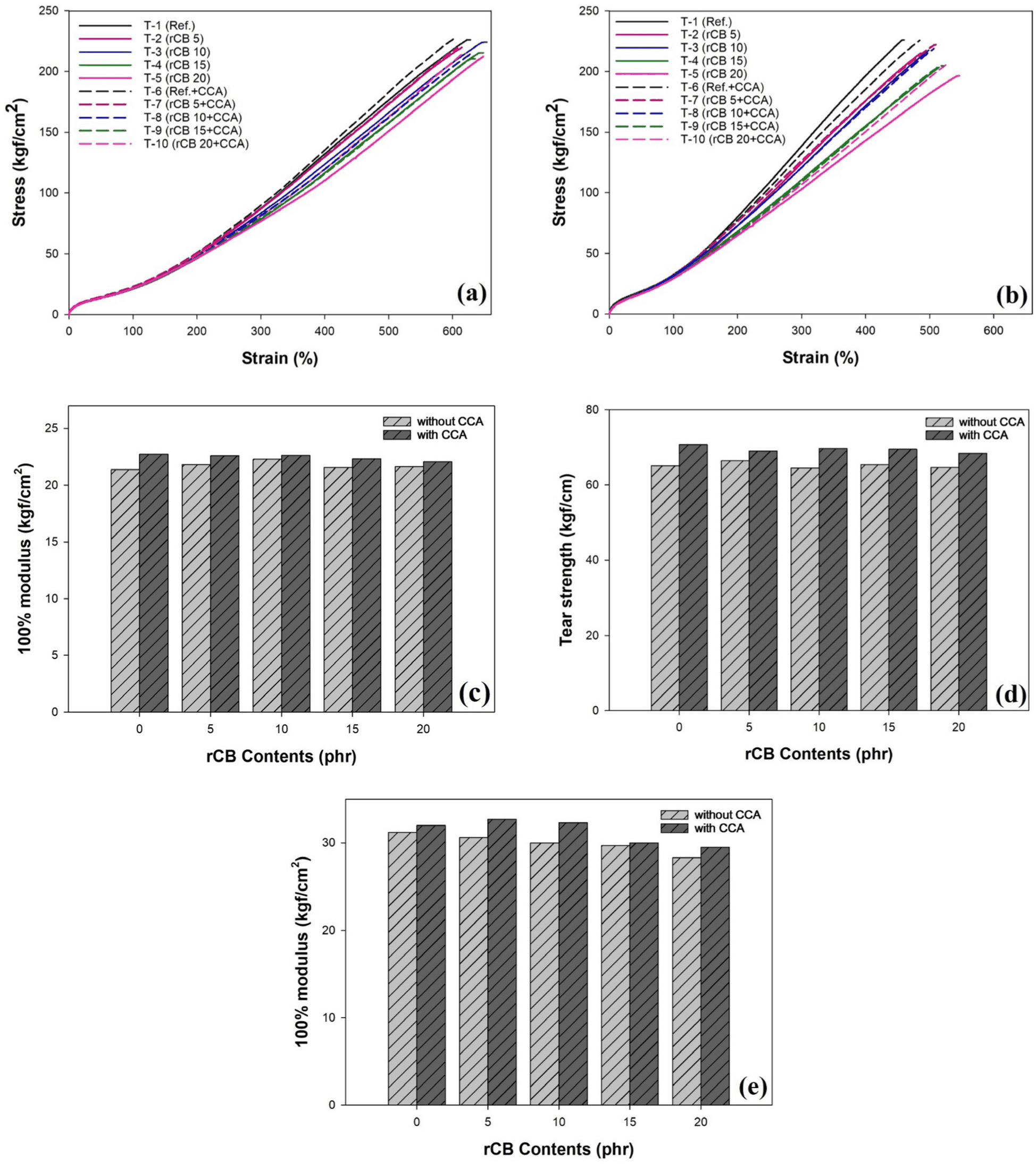
Furthermore, the vulcanizates containing CCA increased tear strength and 100% modulus at room temperature compared to those without CCA. 100% modulus also improved after thermal aging. These enhancements are attributed to the improved F-R interaction facilitated by CCA, which reinforces mechanical properties such as 100% modulus and tear strength.
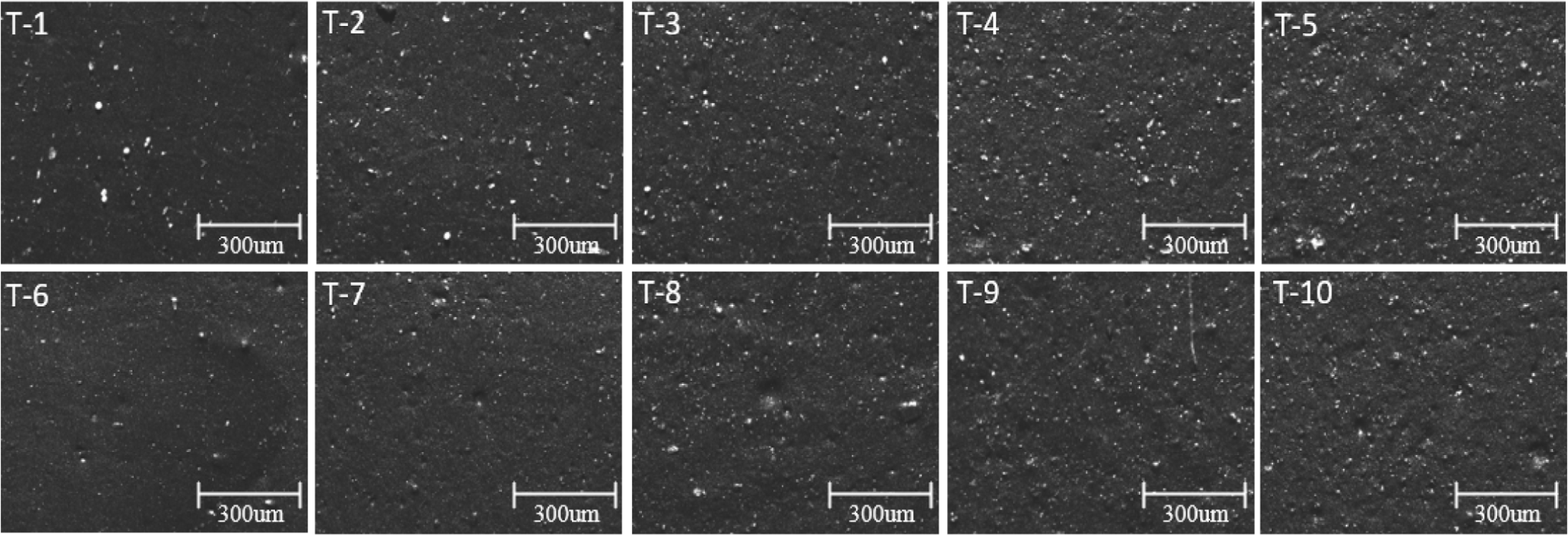
Figure 7 and Table 8 show the dispersion grade measurements results. Overall, similar to the trends observed in Mooney viscosity and bound rubber content, the dispersion grade decreased with increasing rCB content, whereas the application of CCA improved the dispersion grade in the vulcanizates. This is attributed to the non-uniform particle morphology, more impurities and higher ash contents in rCB, which interrupt the uniform dispersion of the filler within the rubber matrix. In contrast, the improved dispersion in the CCA-containing vulcanizates is interpreted as the result of enhanced F-R interaction promoted by CCA, which reduces carbon black agglomeration during vulcanization.
| Compound | T-1 | T-2 | T-3 | T-4 | T-5 | T-6 | T-7 | T-8 | T-9 | T-10 |
|---|---|---|---|---|---|---|---|---|---|---|
| Visual dispersion grade (X-value) | 6.77 | 5.69 | 5.32 | 4.64 | 4.32 | 7.54 | 6.86 | 5.63 | 5.32 | 4.94 |
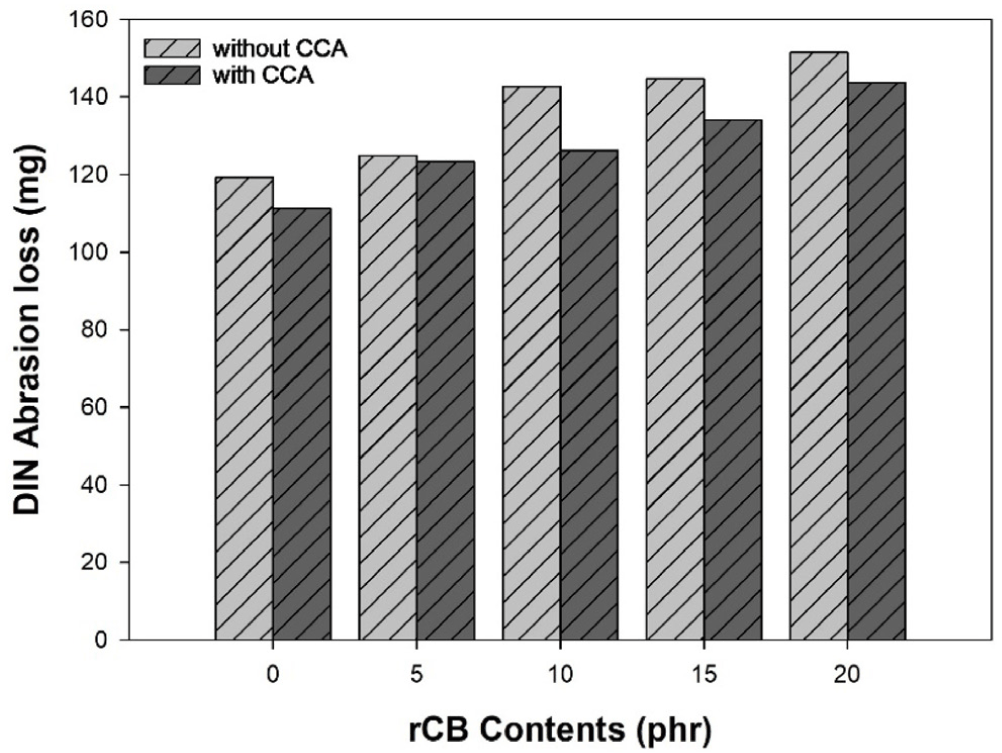
The results of abrasion resistance measurements are presented in Figure 8 and Table 9. Overall, compared to the reference compound (T-1), the vulcanizates with higher rCB content (T-2 to T-5) showed a gradual decrease in abrasion resistance, which is attributed to the reduced F-R interaction caused by rCB. This reduction in F-R interaction is supported by the decrease in bound rubber content, which in turn leads to lower abrasion resistance.
| Compound | T-1 | T-2 | T-3 | T-4 | T-5 | T-6 | T-7 | T-8 | T-9 | T-10 |
|---|---|---|---|---|---|---|---|---|---|---|
| DIN Abrasion loss (mg) | 119.3 | 124.9 | 142.7 | 144.8 | 151.5 | 112.2 | 123.4 | 126.3 | 134.0 | 143.7 |
In contrast, the CCA applied vulcanizates (T-6 to T-10) exhibited improved abrasion resistance compared to T-1 to T-5, despite having the same CB/rCB content. This improvement is interpreted as a result of enhanced F-R interaction promoted by CCA, which contributes to the improved abrasion performance of the vulcanizates.
The results of dynamic viscoelastic property evaluations are presented in Figure 9 and Table 10, 11. As the rCB content increased, the tan δ values exhibited a decreasing trend. This behavior is attributed to the lower specific surface area of rCB compared to N330, which limits the formation of the filler-filler network (F-F network) and reduces the breakdown of the network and internal heat generation during deformation, thereby lowering the contribution to the loss modulus. Additionally, the weaker interaction between rCB and the rubber matrix leads to reduced hysteresis loss, and the irregular particle aggregation of rCB further hinders the development of a well-connected F-F network, both of which contribute to the decrease in tan δ.
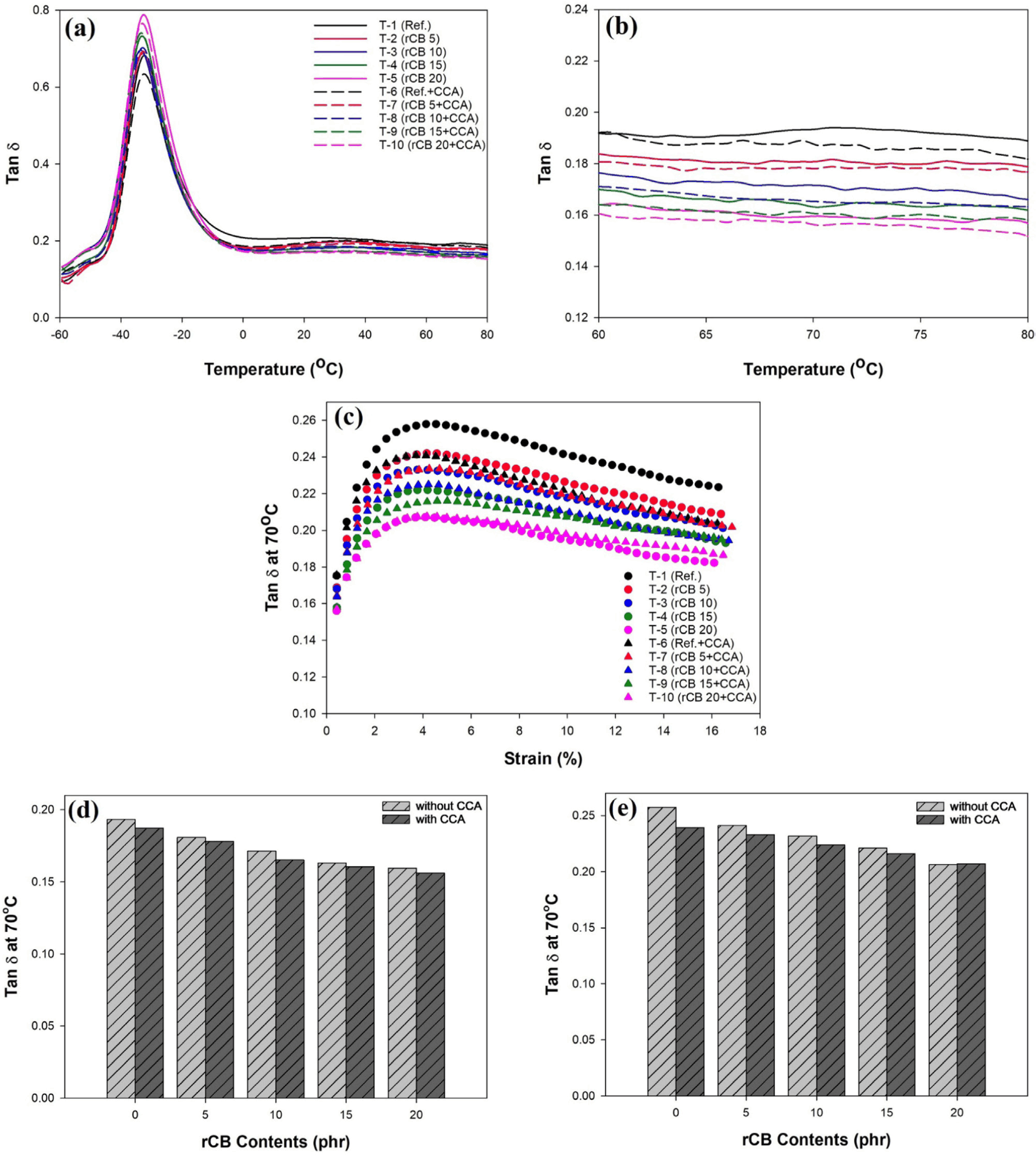
| Compound | T-1 | T-2 | T-3 | T-4 | T-5 | T-6 | T-7 | T-8 | T-9 | T-10 |
|---|---|---|---|---|---|---|---|---|---|---|
| Tg (°C) | -32.1 | -32.7 | -33.4 | -33.4 | -32.7 | -32.7 | -32.7 | -32.7 | -33.4 | -32.7 |
| Tan δ at 70°C | 0.193 | 0.181 | 0.172 | 0.163 | 0.160 | 0.187 | 0.178 | 0.165 | 0.161 | 0.156 |
| Compound | T-1 | T-2 | T-3 | T-4 | T-5 | T-6 | T-7 | T-8 | T-9 | T-10 |
|---|---|---|---|---|---|---|---|---|---|---|
| Tan δ at 70°C | 0.257 | 0.241 | 0.232 | 0.221 | 0.206 | 0.239 | 0.233 | 0.224 | 0.216 | 0.207 |
Furthermore, the vulcanizates containing CCA showed a further reduction in tan δ. This result is interpreted as the effect of enhanced F-R interaction promoted by CCA, which facilitates bound rubber formation, suppresses carbon black agglomeration, and improves filler dispersion, ultimately reducing hysteresis loss.
Conclusions
In this study, the changes in rubber properties were evaluated when conventional carbon black (N330) was partially replaced with rCB. According to low specific surface area, particle size irregularity, and residual impurities, the use of rCB resulted in a decrease in bound rubber content, abrasion resistance, and dispersion quality, while the Mooney viscosity tended to increase. These deteriorations in material properties indicate that rCB alone has limitations in applications such as rubber track compounds, which require high load-bearing capacity and durability. To overcome these limitations, the CCA with bifunctional terminal groups was applied. The introduction of CCA enhanced the F-R interaction between carbon black and the rubber matrix, resulting in improvements in Mooney viscosity, bound rubber content, modulus, and abrasion resistance, along with a reduction in tan δ. In particular, the combined use of rCB and CCA improved the previously reduced properties such as abrasion resistance, dispersion, and modulus associated with rCB, enabling a performance level comparable to that of conventional carbon black-based compounds.
As a result, the T-7 compound (rCB 5 phr + CCA) exhibited the most comparable properties to the conventional T-1 compound, experimentally demonstrating the potential applicability of rCB as a partial replacement.


