Introduction
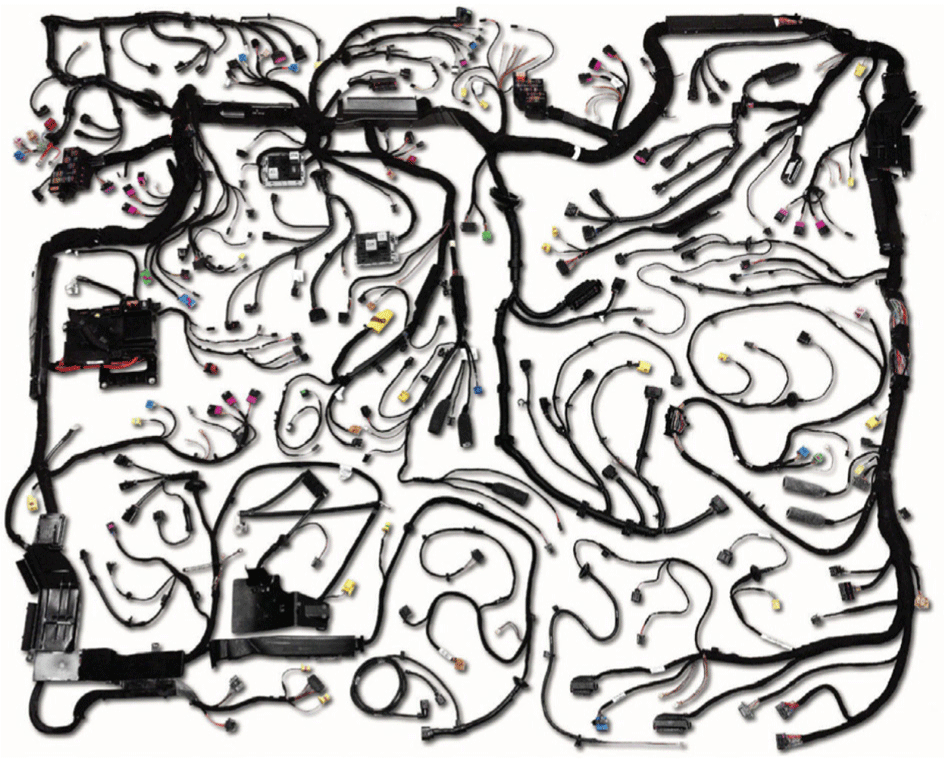
Today’s automobiles have evolved beyond simple mechanical means of transportation to become sophisticated electronic systems. At the heart of this transformation is the wiring harness, which supplies power and data to the numerous electronic control units (ECUs), sensors, actuators, and infotainment systems within the vehicle (Figure 1). The wiring harness serves as the vehicle’s arteries and nervous system, and its reliability and performance are directly linked to the safety and functionality of the entire vehicle. In particular, the emergence of electric vehicles (EVs) and the advancement of advanced driver assistance systems (ADAS) are redefining the role of the wiring harness. Electric vehicles require high capacity power cables to connect high voltage batteries, motors, inverters, etc., while ADAS requires high speed data communication networks to process the vast amounts of data collected from various sensors such as cameras, radars, and lidars in real time. As a result, the total length of wires used in a single vehicle can reach several kilometers, and their complexity and technical importance are increasing at an unprecedented rate.
In the past, the key technical challenge for automotive wiring in internal combustion engine vehicles was heat resistance to withstand the high temperatures in the engine compartment. However, with the paradigm shift in the automotive industry, wiring technology now faces much more complex challenges. First, the high voltage systems in electric vehicles (EVs) generate significant heat during high current flow and fast charging processes, making it impossible to use existing low voltage wiring technology efficiently. The heat generated by the wiring not only shortens the lifespan of components but also causes energy loss, reducing driving range, and in severe cases, can lead to safety issues such as thermal runaway. Second, autonomous driving technology requires high speed communication of large amounts of data with zero latency, making it essential to protect signals from external electromagnetic interference (EMI) and ensure signal integrity by minimizing signal distortion. Third, the demand for lightweighting to improve fuel efficiency and electric fuel economy applies to wire technology as well, with active efforts underway to replace traditional copper conductors with lighter materials.
These changes suggest that the direction of automotive wire technology development is no longer focused on maximizing a single performance indicator. For example, simply using thicker insulation with superior heat resistance can increase weight and costs, which can have a negative impact on the driving range of electric vehicles. Conversely, adopting aluminum conductors for lightweighting purposes results in higher heat generation at the same current due to their lower conductivity compared to copper, creating a tradeoff that requires either higher grade heat resistant insulators or separate thermal management solutions. Therefore, current automotive wiring technology has evolved into a complex engineering problem of finding the optimal balance between multiple performance such as heat resistance, weight reduction, cost, electrical efficiency, and mechanical reliability.
This paper focuses on the core performance indicator of automotive wires, “temperature class,” and provides an in depth comparative analysis of the ISO 19642 series, which serves as the global standard, and the JASO D 625 series, which reflects the practical requirements of the Japanese automotive industry. Through this analysis, the paper aims to clarify the essence of the heat resistance performance required by each standard and explore the direction of development for insulating materials and conductor materials to meet these requirements. Furthermore, it seeks to comprehensively analyze the impact of recent trends in the automotive industry, such as electrification (xEV) and autonomous driving, on wire technology, thereby outlining the future direction of technology.
Discussion
Automotive wires must operate stably for long periods of time in harsh environments, such as extreme temperature changes, vibrations, and exposure to chemicals. Therefore, strict standards are required to guarantee their performance and reliability. Currently, the automotive industry utilizes various standards, including international standards such as ISO and regional/manufacturer specific standards like JASO, SAE, and LV. This chapter focuses on comparing and analyzing the temperature rating classification systems and key test requirements of the most representative global standard, ISO 19642, and the core standard of the Japanese automotive industry, JASO D 625.
The ISO 19642 series, established in 2019, is a next generation global standard that integrates and expands existing standards related to automotive wires, such as ISO 6722-1 (copper conductors), ISO 6722-2 (aluminum conductors), and ISO 14572 (shielded and unshielded single core or multi core cables), into a single system. This standard consists of more than 10 parts, covering common topics such as terminology (Part 1) and test methods (Part 2), as well as detailed requirements (Parts 3-10) categorized by cable type, including low voltage/high voltage, copper/aluminum, single core/multi core, and shielded/unshielded. This systematic structure enables clear technical communication between global automotive manufacturers and parts suppliers, promotes component interoperability, and ultimately aims to contribute to cost savings and quality stabilization in development.5
ISO 19642 inherits and develops the temperature rating classification system of the previous standard, ISO 6722-1. The temperature grades in this standard are defined based on the maximum temperature that can pass the “long term heat aging” test, which is conducted for 3,000 hours at a specific temperature. This concept evaluates long term durability by simulating the thermal stress that wires will experience during the life of a vehicle through accelerated testing. The temperature ratings are subdivided into eight grades, from Class A (85°C) to Class H (250°C), as shown in Table 1 below. Each grade serves as a key indicator clearly defining the thermal durability limits of specific insulating materials. For example, wires rated Class C (125°C) or higher are generally required for areas exposed to high temperatures, such as engine compartments.
ISO 19642-2 specifies various test methods for verifying the heat resistance of wires in detail. The main heat related tests are as follows (Table 1).
o Long term Heat Aging: Expose the cable sample to a hot air circulation oven at the specified temperature rating for 3,000 hours. After the test, the sample should not show any cracks in the insulation when bent at room temperature, and it should pass the specified dielectric strength test. This is the most critical test for evaluating the long term thermal stability of the wire.
o Short term Heat Aging: Aging tests are conducted for 240 hours under harsh conditions 25°C higher than the specified temperature rating. This is to evaluate resistance to high temperature stress that may occur in a short period of time.
o Thermal Overload: Expose it to extreme temperatures 50°C higher than the specified temperature rating for six hours to verify the insulation performance under abnormal overload conditions such as short circuits.
The JASO D 625 series is a standard developed in line with the characteristics and requirements of the Japanese automotive industry and is characterized by its highly practical approach. While ISO standards classify grades based on materials and performance, JASO assigns specific wire specification names based on insulation material type, thickness, and characteristics, such as AV (vinyl electric wire for automobiles), AVSS (thin wall vinyl electric wire for automobiles), and AEX (cross linking polyethylene electric wire for automobiles). This approach helps designers intuitively select and apply wires that match specific application areas within vehicles (e.g., interior general circuits, engine compartments) and requirements (e.g., space utilization, heat resistance) (Table 2).
The temperature rating definition in the JASO standard differs fundamentally from that in ISO. JASO’s heat resistance rating is defined as “the maximum temperature that the conductor can withstand when current is applied for a cumulative total of 10,000 hours.” This 10,000 hour is a value based on the total driving time or service life of a typical vehicle, which is a different concept from the accelerated testing (3,000 hours in ISO) conducted in a laboratory environment. This reflects a pragmatic approach to evaluating durability based on the total thermal history that wires will experience during actual use in vehicles. For example, the AEX specification, a representative heat resistant wire, is classified as a 120°C heat resistance rating, which means that it can maintain its performance for a cumulative 10,000 hours in a 120°C environment.
JASO D 625-2 specifies various test methods for evaluating heat resistance performance. For example, the Heat Resistance 1B test evaluates performance after aging at a specified temperature (e.g., 150°C) for 240 hours, while the Heat Resistance 1C test exposes the material to a higher temperature (e.g., 200°C) for 30 minutes to verify short term heat resistance.8 In addition, various environmental tests such as heat resistance deformation, cold resistance, and cold impact are included. Another feature of JASO tests is that the evaluation criteria are clearly defined as pass/fail in most cases. This focuses on facilitating quality control in the field by determining whether the specified conditions are met, rather than requiring specific numerical values.9
ISO 19642 and JASO D 625 share the common goal of ensuring the heat resistance performance of automotive wires, but there are clear differences in their approaches. ISO 19642 focuses on ensuring global market interoperability by quantitatively defining the potential performance limits of materials through a “3,000 hour accelerated aging test.” On the other hand, JASO D 625 introduces the concept of “cumulative 10,000 hours of use,” which is similar to the actual vehicle lifespan, and focuses on defining the practical durability of wires for specific applications.
The development process of these standards clearly shows how the requirements for automotive wires have evolved. The fact that abrasion resistance, which was optional in previous standards, and flexibility, which was not quantified, have been strengthened as mandatory items in ISO 19642 or quantitative evaluation methods have been introduced can be interpreted as an intention to raise the standards for the basic physical durability of wires and reduce quality differences between manufacturers.
A more significant change is that wires are now viewed as part of the overall vehicle system rather than as independent components. This is a step forward from the initial standards, which focused on certifying the characteristics of the “material” itself (e.g., whether it melts at a certain temperature). For example, the high temperature pressure test in ISO 19642 goes beyond simply evaluating the heat resistance of the insulator to assess whether it can maintain its shape under high pressure at high temperatures, thereby ensuring the waterproof performance of the “wire connector joint.” This signifies a shift toward considering the reliability of the “system” rather than the wire itself. Similarly, the quantification of flexibility tests is intended to prevent potential failures caused by bending or mechanical stress when assembling wiring harnesses with complex routes, reflecting an effort to ensure system reliability during the “manufacturing and installation process.” JASO’s “cumulative 10,000 hours” concept is also an attempt to predict system reliability over the “actual service life” of a vehicle, going beyond short term laboratory test results. In this way, the latest standards consider wires as part of a complex system that interacts with connectors, harness layouts, and even the entire life cycle of a vehicle, evolving toward ensuring long term functional stability at the system level beyond material properties.
The heat resistance of automotive wires is determined by the characteristics of the insulating and conductive materials. The trend toward downsizing engines, which results in higher temperatures, the increasing density of electrical components, and the shift toward high voltage electric vehicles requires the development of innovative materials that exceed the limitations of existing materials.
Traditionally, PVC (polyvinyl chloride) has been widely used as an insulator for automotive wires. PVC has the advantages of being cost competitive, flexible, and easy to process, but its maximum heat resistance is limited to 85°C to 105°C, making it unsuitable for use in high temperature environments such as engine rooms or exhaust systems. To overcome this limitation, cross linking technology was developed. Cross linking is a process that chemically or physically (e.g., electron beam irradiation) connects the chains of thermoplastic polymers such as polyethylene (PE) or polyolefin (PO) to form a three-dimensional network structure. Cross linking polyethylene (XLPE) or Cross linking polyolefin (XLPO) undergoes this process, resulting in a thermosetting resin that does not melt or deform when heated, as the molecular chains cannot move freely. As a result, it can maintain stable mechanical strength and electrical insulation performance even at high temperatures ranging from 125°C (Class C) to 150°C (Class D), and is currently used as the main material in most heat resistant wires.
In extreme environments exceeding 150°C, such as electric vehicle high voltage battery systems, high power motors, rapid charging systems, and turbochargers for high performance internal combustion engines, the performance of XLPE/XLPO alone may be insufficient. To address these special environments, various high performance engineering plastics are being developed and applied as insulating materials.
-
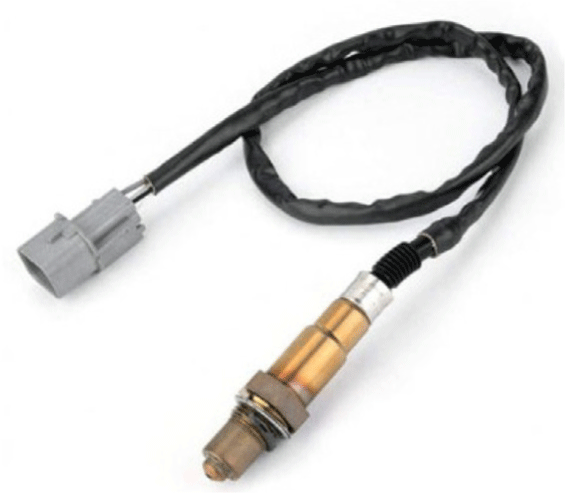
- Fluoropolymers: PTFE, FEP, PFA, ETFE, etc. are representative examples. Fluoropolymers boast excellent heat resistance ranging from 200°C to 260°C thanks to the strong bond energy of carbon fluorine (C-F) bonds and have excellent chemical resistance that does not react with almost all chemicals. Additionally, they have low dielectric constants and high insulation resistance, making them suitable for use in high voltage and high frequency environments. These advantages make them ideal for applications such as high voltage EV cables and sensor wires in extreme environments (Figure 2). However, their high cost and relatively difficult processing limit their widespread application.
-
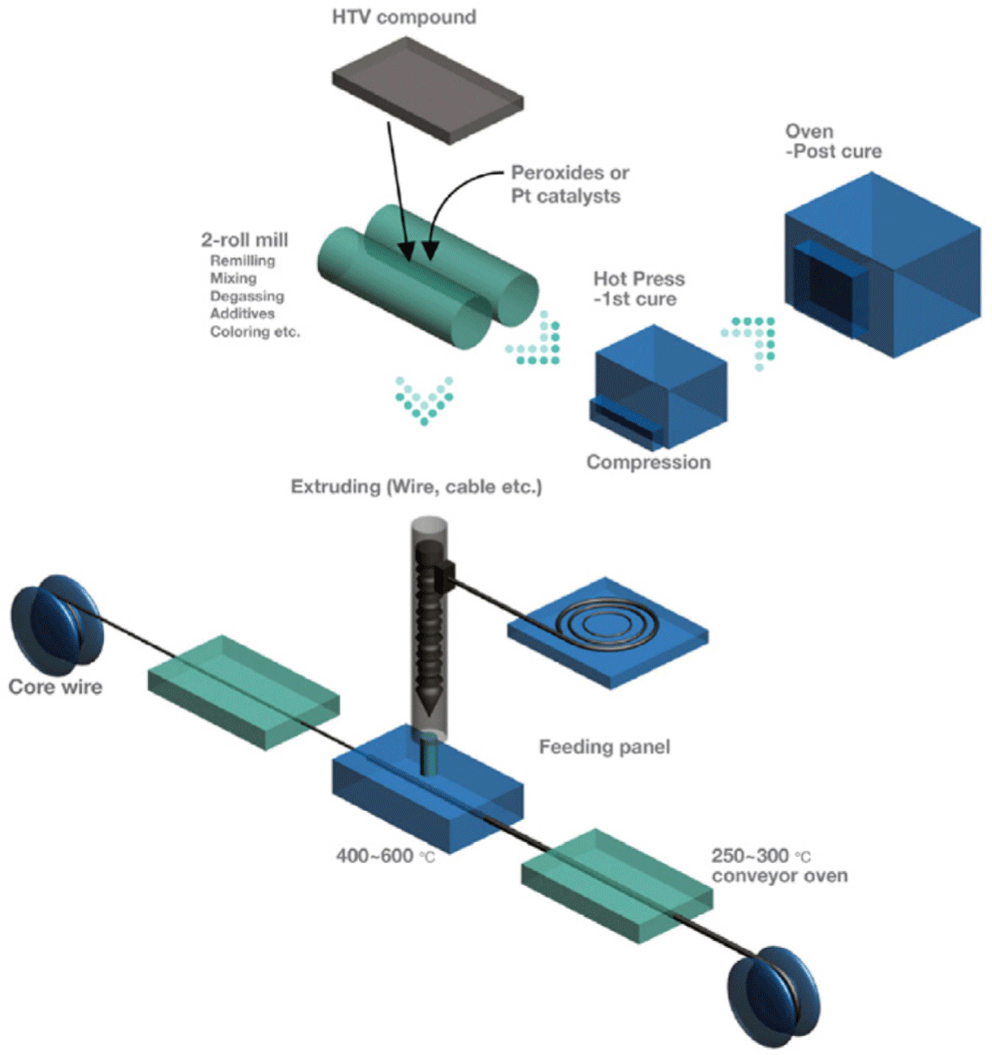
- SiR(Silicone Rubber): Its most notable feature is its excellent flexibility across a wide temperature range, from extremely low temperatures of -60°C to high temperatures of over 200°C. It is resistant to thermal shock and has excellent weather resistance and ozone resistance, but compared to XLPE, its mechanical properties such as tensile strength and abrasion resistance are relatively weak, and it is expensive, so it is used only in areas where flexibility is particularly required. Figure 3 shows a schematic diagram of the current silicone rubber extrusion process.
-
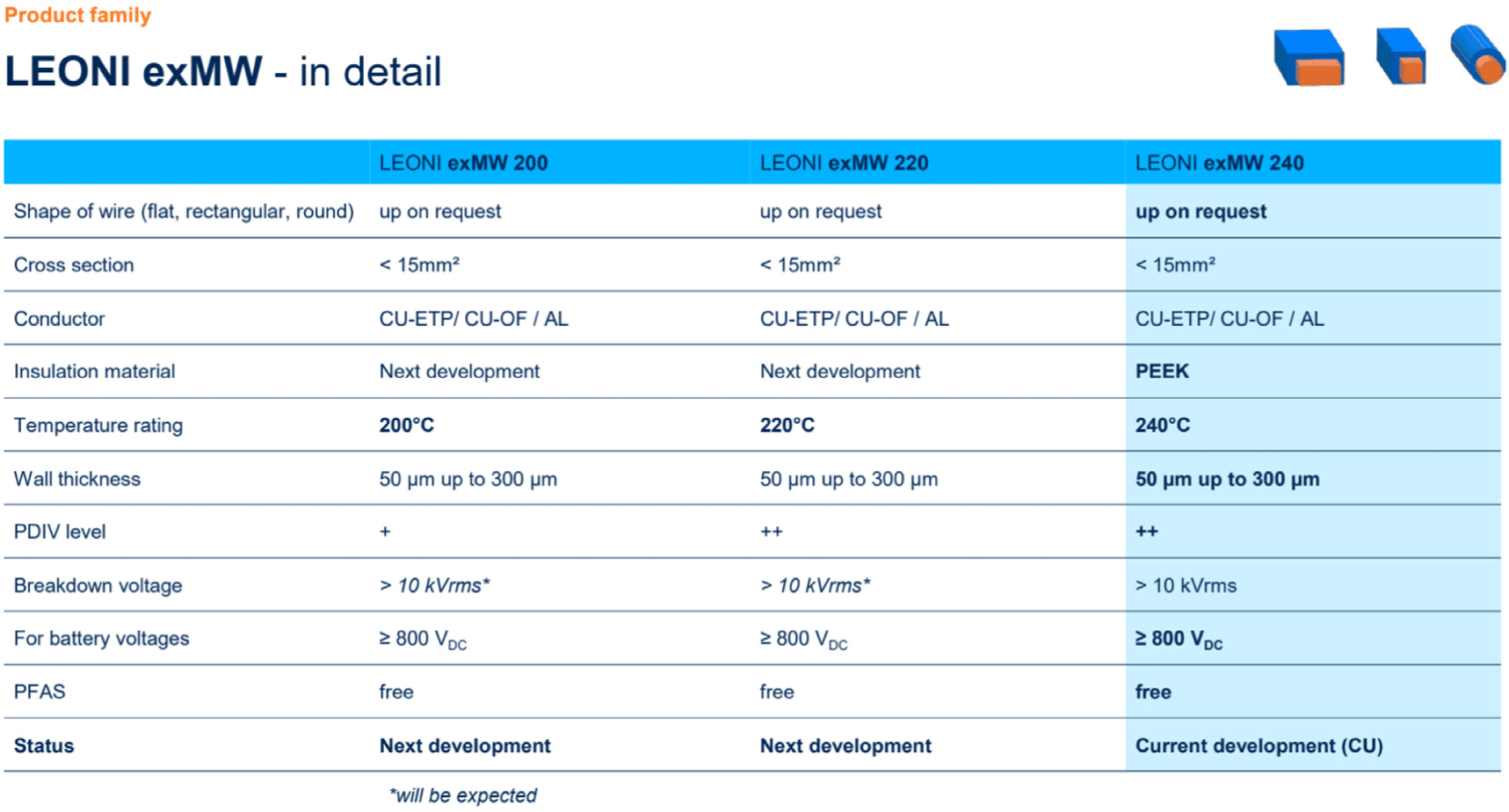
- PEEK (Polyether Ether Ketone): A super engineering plastic that can withstand continuous use at temperatures ranging from 250°C to 260°C while offering outstanding mechanical strength, abrasion resistance, fatigue resistance, and chemical resistance. It is a material used in cutting edge industries such as aerospace and nuclear power, and in the automotive field, it is being considered for use in motor windings and special sensor cables that require extreme reliability (Figure 4).
-
- PI (Polyimide): Possesses extreme heat resistance, easily withstanding temperatures above 500°C without decomposing, and boasts excellent mechanical strength and insulation performance. It has been widely used in the aerospace industry, but it has a weakness in that it undergoes hydrolysis and its performance deteriorates when exposed to both moisture and mechanical stress. Therefore, in the automotive industry, it is not used alone but is combined with other materials (fluoropolymers) to enhance corona resistance and other properties.
The results of comparing the characteristics of XLPE, used as an existing automotive wire insulation material, and high performance engineering plastics are shown in Table 3.
Polymer materials used as insulators are continuously exposed to various factors such as heat, oxygen, moisture, and mechanical stress during vehicle operation, causing degradation processes in which molecular structures are destroyed or deformed. In particular, for XLPE, the main material, thermos oxidative degradation, which occurs when oxygen reacts with high temperatures, is the primary degradation mechanism. In this process, polymer chains are broken (chain scission) or additional cross linking occurs, resulting in the material becoming stiff and brittle. This leads to a deterioration in mechanical properties such as tensile strength and elongation at break, as well as a deterioration in electrical properties such as insulation resistance and dielectric strength.6,12,13,14
The rate of degradation is absolutely dependent on temperature, with chemical reaction rates increasing exponentially as temperature rises. This relationship can be quantitatively modeled using the Arrhenius equation (1) proposed by Swedish chemist Svante Arrhenius.15
Here, k is the reaction rate (degradation rate), A is the frequency factor, Ea is the activation energy, R is the gas constant, and T is the absolute temperature. In the automotive industry, this model is used to perform accelerated life tests. Specifically, changes in the properties of insulating materials (primarily a decrease in elongation) are measured under various temperature conditions that are much higher than actual operating temperatures, and this data is applied to the Arrhenius model to predict the service life of wires at actual operating temperatures. This technique is used as a key tool for verifying the long term reliability of wires at the design stage.16
Traditionally, copper has been used as the conductor material for automotive wires due to its excellent electrical conductivity, flexibility, and workability. However, copper has a high specific gravity (8.89), making it one of the main causes of increased vehicle weight. As vehicle weight reduction has emerged as a key issue for improving fuel efficiency and driving range, aluminum has gained attention as an alternative to copper. Aluminum has a Specific gravity of 2.7, which is only about 30% of copper’s Specific gravity, making it possible to achieve significant weight reduction by replacing copper with aluminum in wires. In fact, major wire manufacturers such as Sumitomo have reported achieving over 40% weight reduction compared to conventional copper wires by using aluminum conductors.
However, aluminum has a fundamental limitation in that its electrical conductivity is only about 58% that of copper (based on IACS standards). Therefore, to achieve the same electrical resistance (i.e., the same allowable current), a cross sectional area approximately 1.6 times larger than that of copper conductors is required.17 This leads to an increase in wire diameter, which can result in reduced flexibility and space constraints in wiring harnesses.18
In order to use aluminum conductors reliably in automotive wiring harnesses, it is necessary to resolve various technical issues that do not arise with copper.
-
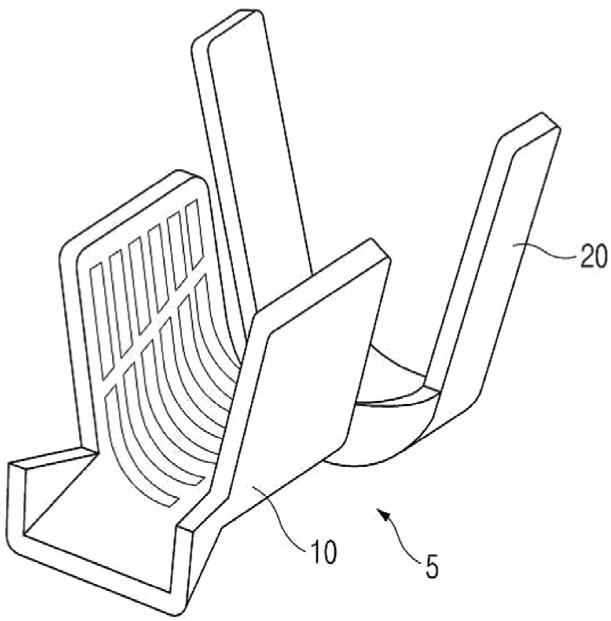
- Terminal crimping reliability: Aluminum is softer than copper and has a high creep characteristic, which causes permanent deformation when subjected to stress at high temperatures for long periods of time. As a result, when crimping with existing copper terminals, the contact force gradually weakens and contact resistance increases during the heat cycle (repeated heating and cooling) in the engine room, which can cause overheating and fire. To address this issue, aluminum specific terminals with enhanced serration (tooth shaped grooves) structures have been developed (Figure 5). These structures form deeper and more numerous contact points during crimping, simultaneously ensuring mechanical holding force and electrical stability. Additionally, for thick wires of 2.5 SQ or larger, a preprocessing technique is applied to enhance contact stability by integrating the conductor ends through ultrasonic welding or soldering before crimping.19
-
- Oxide film control: When exposed to air, aluminum immediately forms a very hard, electrically insulating oxide film (Al2O3) on its surface. This oxide layer is the main factor that interferes with stable electrical contact. Therefore, it is very important that the serration of the terminals during the crimping process effectively destroys this oxide layer and forms a metal to metal contact with the pure aluminum inside.
-
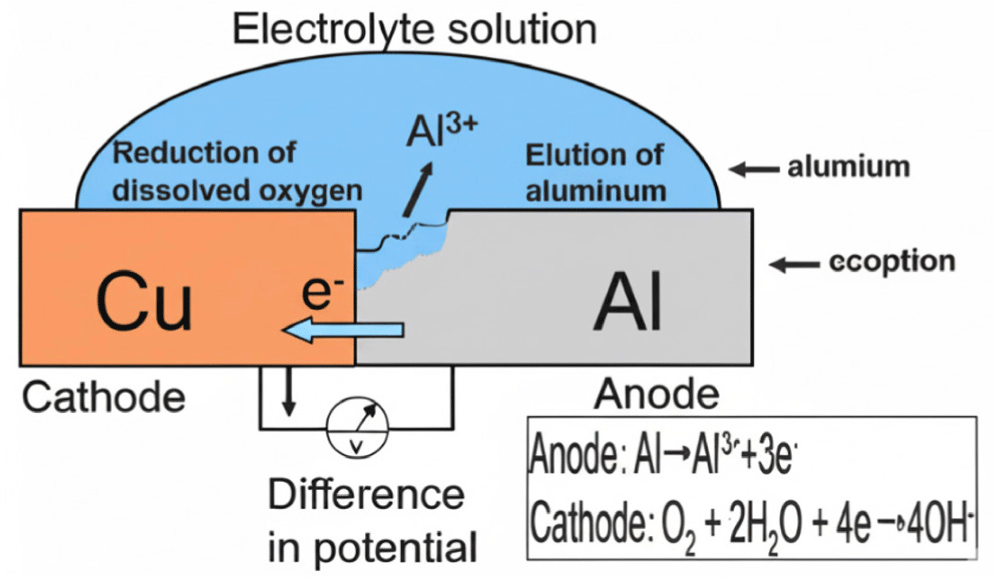
- Galvanic Corrosion: Galvanic corrosion refers to the phenomenon in which two metals with different potentials come into contact within an electrolyte (e.g., moisture), causing the metal with the lower potential to corrode first. When moisture penetrates the area where aluminum conductors and copper alloy terminals are connected, the aluminum acts as the anode (+) and corrodes rapidly (Figure 6). This can lead to serious issues such as poor contact and open circuits. To prevent this, sealing technology that completely isolates the area from external moisture and salt is essential, achieved by molding the crimped area with epoxy resin or filling it with waterproof gel.
-
- Mechanical strength and fatigue resistance: Pure aluminum has high ductility, resulting in low mechanical strength and vulnerability to fatigue failure caused by vibration. In particular, it is difficult to process into thin wires. To overcome these shortcomings, the development of high strength aluminum alloys with improved mechanical strength and vibration resistance is actively underway by adding small amounts of other elements such as magnesium (Mg), silicon (Si), and iron (Fe).21,22 The key technology in such alloy design is finding the optimal balance between increasing strength and minimizing conductivity loss.
Electrification, autonomous driving, and connected technologies, which are changing the paradigm of the automotive industry, are presenting new dimensions of requirements for wire technology. The performance and safety of future automobiles will depend heavily on the development of innovative wire technologies that meet these requirements.
Unlike the 12V/24V systems used in internal combustion engine vehicles, electric vehicles (EVs) and hybrid vehicles (HEVs) use high voltage systems ranging from 400V to 800V, and some high performance vehicles exceed 1,000V. While the increase in system voltage has the advantage of reducing the current required to achieve the same output, thereby allowing for smaller cable cross sections, the total heat generated during operation at hundreds of kW and during ultra-fast charging is significantly greater than that of conventional low voltage systems. In particular, heat management is critically important in areas such as battery packs and power electronics where high voltage cables are densely packed in limited spaces.
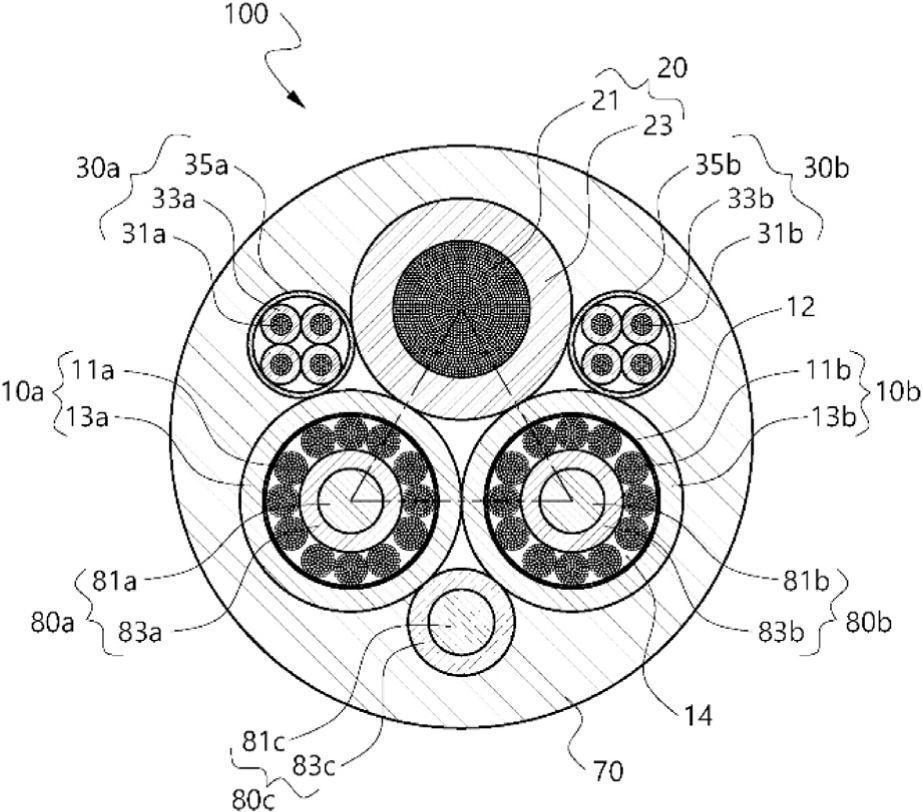
As a result, the importance of thermal analysis simulation technology, which accurately calculates the allowable current capacity (ampacity) of cables and predicts temperature increases based on operating conditions, is growing. Beyond simply using cables with higher temperature ratings as a passive response, an active thermal management strategy is required to reduce the thermal resistance of the cables themselves and effectively dissipate the generated heat. This includes using insulating materials with high thermal conductivity, designing heat dissipation structures around the cables, and even integrating the cable harness into a liquid cooling system in high performance vehicles. Figure 7 below shows the cross sectional structure of a liquid cooled charging cable for which LS Cable & System Ltd. has completed domestic patent registration.
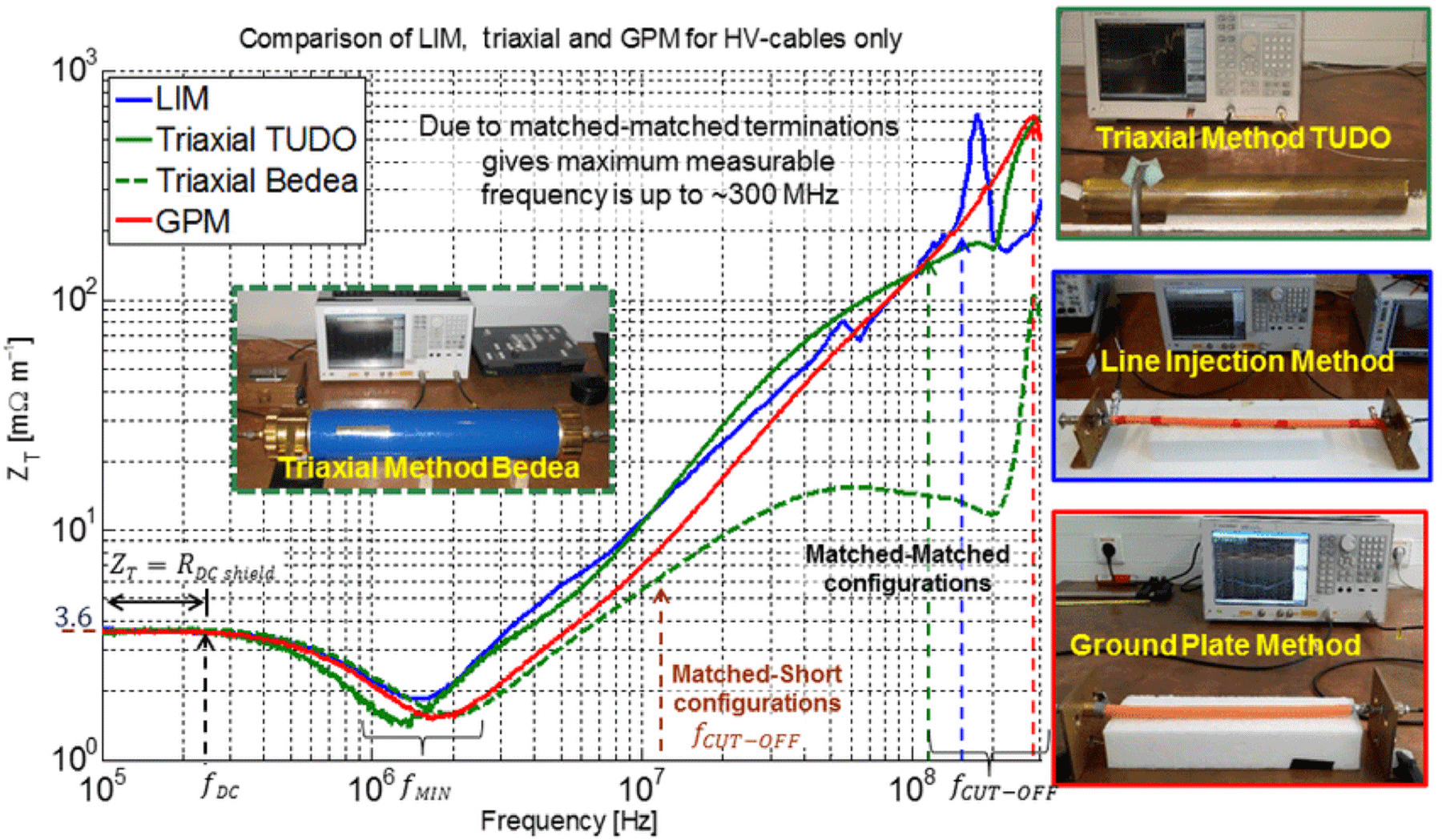
Electric vehicle inverters use high frequency switching of tens of kHz to convert direct current (DC) power from the battery into alternating current (AC) for motor drive. The powerful electromagnetic noise generated in this process can be radiated outside using high voltage cables as antennas or conducted through other cables. Such noise can cause minor problems such as interference with radio reception, or serious safety issues such as malfunctioning of ADAS sensors or communication systems. Therefore, high voltage cables require a high performance electromagnetic shielding structure to block the ingress of external noise and suppress the emission of internal noise. ISO 19642-9 defines test methods such as surface transfer impedance (Figure 8) and screening attenuation in detail to quantitatively evaluate such shielding performance, which serves as an important evaluation indicator in cable design.
As the level of autonomous driving increases, vehicles use more sensors (cameras, radars, lidars, etc.) to recognize their surroundings, and the vast amount of raw data collected from these sensors must be transmitted to the central processing unit in real time. The CAN (Controller Area Network) communication method widely used in existing vehicles cannot handle such data traffic at speeds of several Mbps. To address this issue, automotive Ethernet technology, which supports data transmission speeds ranging from 100 Mbps to several Gbps, is being rapidly adopted.
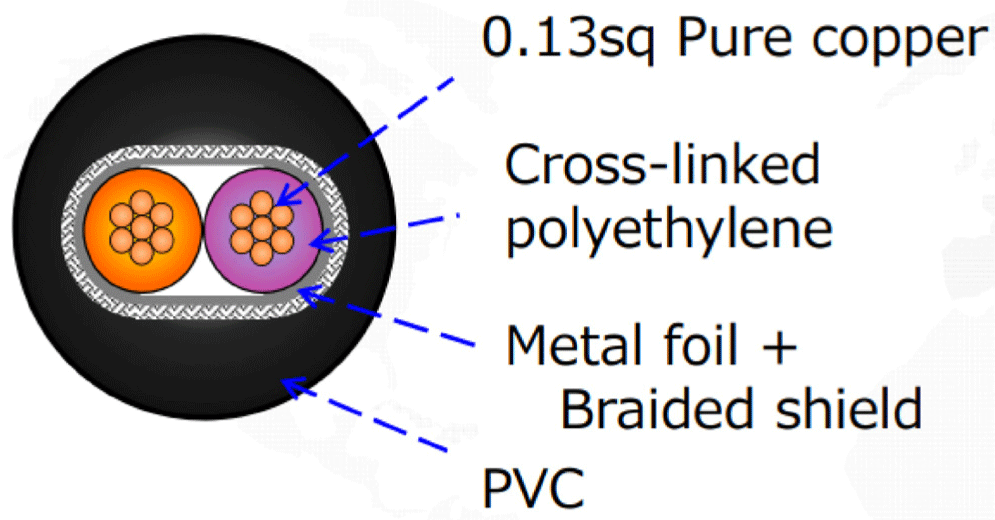
For such high speed data communication, it is very important to protect the signal from external noise and minimize signal attenuation or distortion during transmission. This is called signal integrity, and to ensure it, special data cables such as high frequency coaxial cables or shielded twisted pair (STP) cables (Figure 9) with precisely controlled impedance are required. These cables must be designed and managed as sophisticated transmission lines that determine signal transmission characteristics, going beyond simple conductors and insulators.
Results and Discussion
Future automotive wiring technologies will continue to innovate in terms of materials, structure, and systems in order to address the challenges mentioned above.
-
- Innovation in Materials and Structures: As the demand for vehicle weight reduction continues to grow, the application range of high strength, high conductivity aluminum alloy conductors will expand from high current applications such as battery cables to low current applications such as signal lines. Developing high reliability, automated connection technologies to support this will be a key challenge. In the field of insulators, nano composite material technology that simultaneously satisfies high insulation performance and heat resistance even at thinner thicknesses will continue to advance.
-
- System integration and intelligence: Future cables will go beyond their passive role of simply transmitting signals and power. A “smart cable” technology may emerge that incorporates optical fibers or micro sensors inside the cable to diagnose its own temperature, deterioration status, mechanical stress, etc. in real time and transmit this information to the vehicle’s central control system. This will enable predictive maintenance, which predicts and responds to the failure of specific components in advance, dramatically improving vehicle safety and reliability.
-
- Advancements in Thermal Management Technology: The competition for ultra-fast charging technology and high performance in electric vehicles will drive further advancements in cable thermal management technology. Technologies that actively control heat generated by cables by linking them to the vehicle’s integrated thermal management system and using coolant or refrigerant will become increasingly important. This signifies that wire design now requires a deep integration with thermal fluid engineering, transcending the traditional boundaries of mechanical and electrical engineering.
Such technological advancements are fundamentally transforming the role of wiring harnesses. In traditional vehicle architectures, wiring harnesses served as “distributed components” in a complex network structure connecting numerous ECUs individually. However, the latest E/E (Electrical/Electronic) architectures are rapidly shifting toward a “zonal” or “centralized” structure where a small number of high performance central computers control the entire vehicle (Figure 10). This change fundamentally alters the role of wiring harnesses.
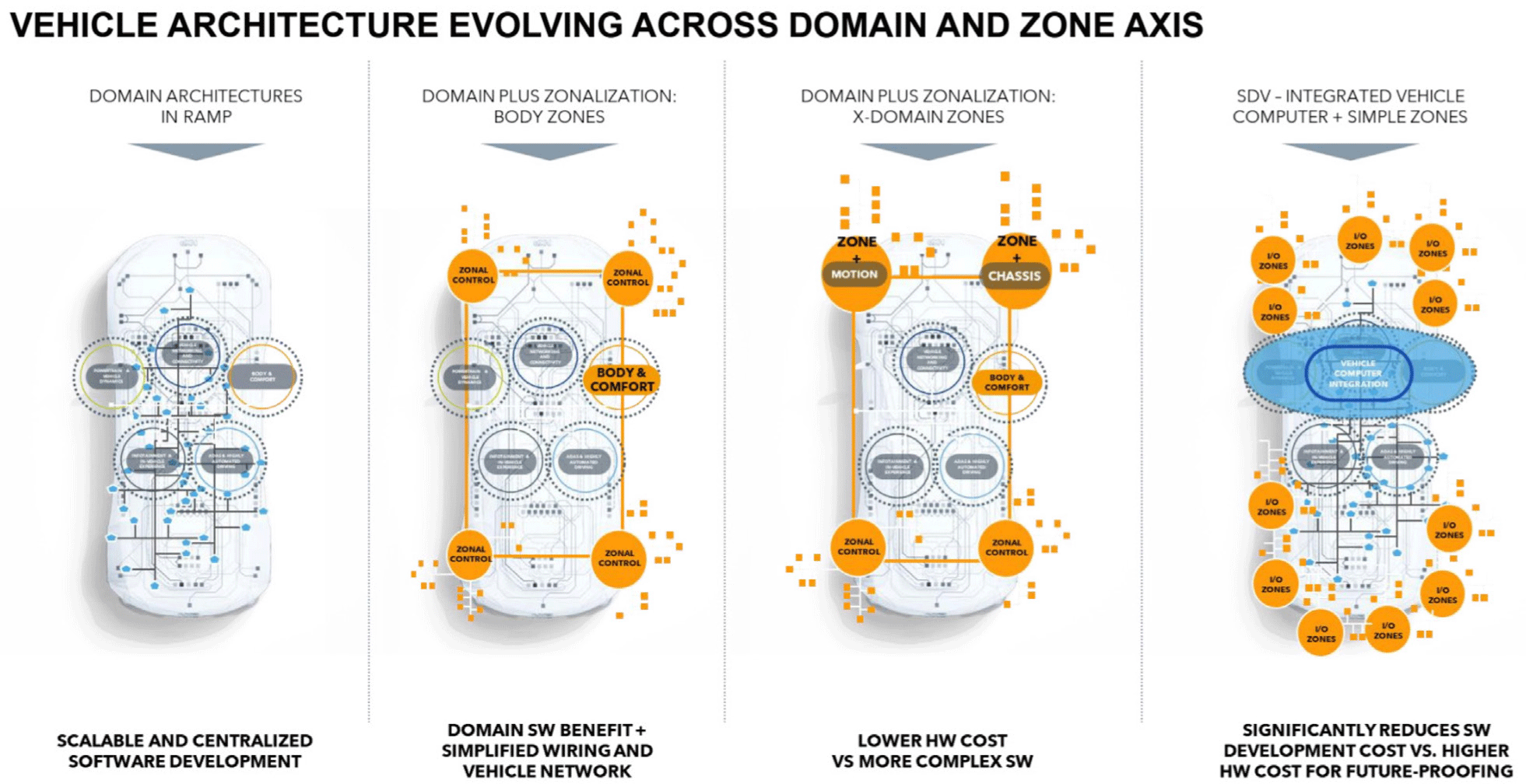
Instead of numerous individual signal lines, a few high speed data backbones and high voltage power grids will serve as the core “infrastructure” of the vehicle. Therefore, future wire technology must be approached from an “infrastructure design” perspective that goes beyond the performance of individual cables, understanding the entire E/E architecture of the vehicle and optimizing the flow of data and power within it. This represents a significant change requiring wire engineers to have a deep understanding of system architecture.
Conclusions
This review paper takes an in depth look at the heat resistance performance of automotive wires, which have emerged as a key component in the rapid development of automotive electrical systems, and related technological trends. The global standard ISO 19642 defines the potential performance limits of materials through systematic and quantitative testing methodologies while emphasizing global compatibility, whereas the Japanese standard JASO D 625 introduces the concept of cumulative time, considering the actual vehicle lifecycle, to prioritize practical durability. The requirements of these standards, in tandem with the development of electric vehicles and ADAS technology, are promoting the use of cross linking polyolefin (XLPE/XLPO) as the main insulating material beyond conventional PVC, and in extreme environments, the use of high performance polymer insulating materials such as fluoropolymer and silicone rubber. At the same time, the overarching goal of vehicle lightweighting is accelerating the development of high strength aluminum alloy conductors and related connection technologies to replace conventional copper conductors.
Future automotive wiring technology faces three key challenges. First, there is a need for sophisticated and active thermal management technology to support high voltage systems exceeding 800V and ultra-fast charging technology. Second, there is a need for signal integrity assurance technology to enable stable transmission of gigabit class large capacity data to support the era of autonomous driving. Third, achieving extreme lightweighting to extend driving range while ensuring long term reliability.
To address these challenges, future research should focus on the following directions.
-
- Development of multifunctional new materials: Beyond simply high heat resistance, research is needed to develop intelligent composite materials with properties such as thermal conductivity, self-healing, and sensor functions.
-
- High reliability heterogeneous material joining technology: To expand the use of aluminum conductors for light-weighting, new joining methods and materials that can fundamentally solve galvanic corrosion and creep issues between aluminum and copper are urgently needed.
-
- System integration design and simulation: In depth research is required on system level design and multi physics simulation technology that optimizes the power and data paths and heat flow of wiring harnesses in conjunction with the vehicle’s E/E architecture and integrated thermal management system.
In conclusion, future automotive wiring technology can only achieve innovation through a multidisciplinary approach that organically integrates materials, electrical, electronic, mechanical, and thermal fluid engineering, rather than as an independent component technology.

